Explainer·Aug 14, 2026 Storytelling with Immersive Gallery Pair a cover still with a short loop in the same folder-backed gallery so stage and story plates can paint fast, then breathe. One small way Web Device treats writing as something that can be performed.
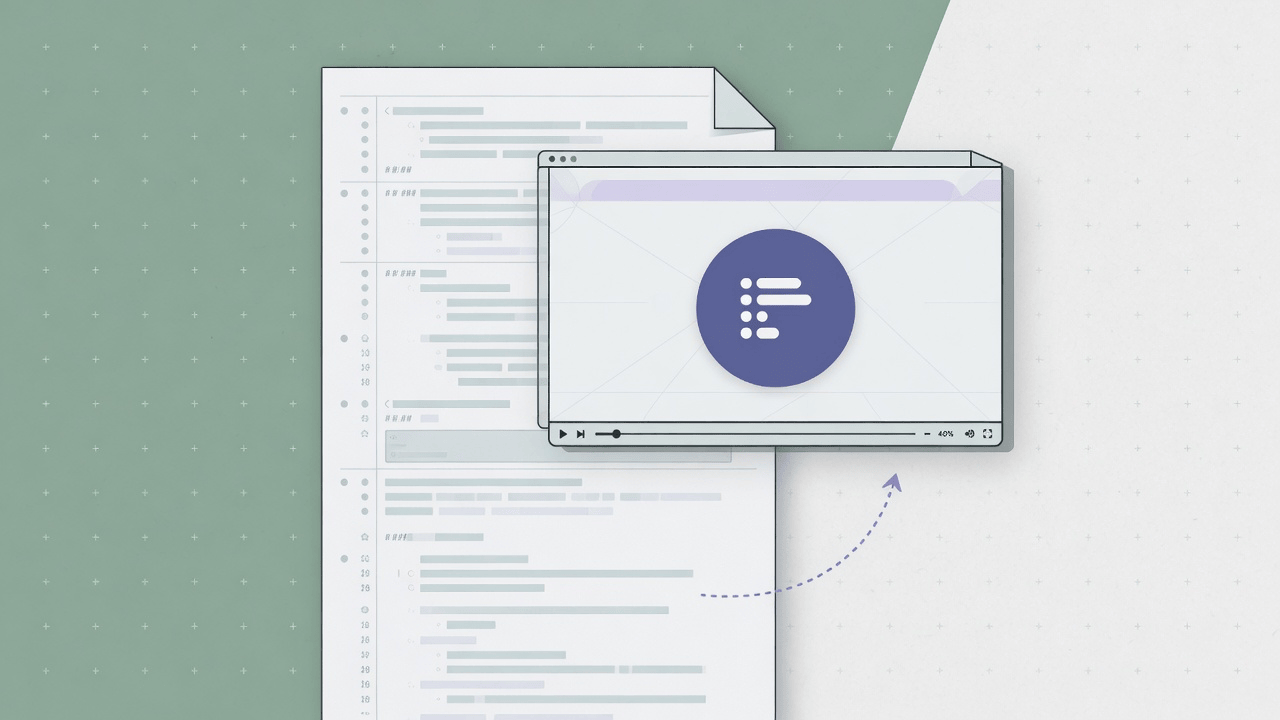
Explainer·Aug 14, 2026 Slides that read like an article A Markdown deck can be published as an article of its own: a player on top, and below it every slide becomes a card with its narration beside it. No separate slide tool, no embedded frames. This article is itself the demo.
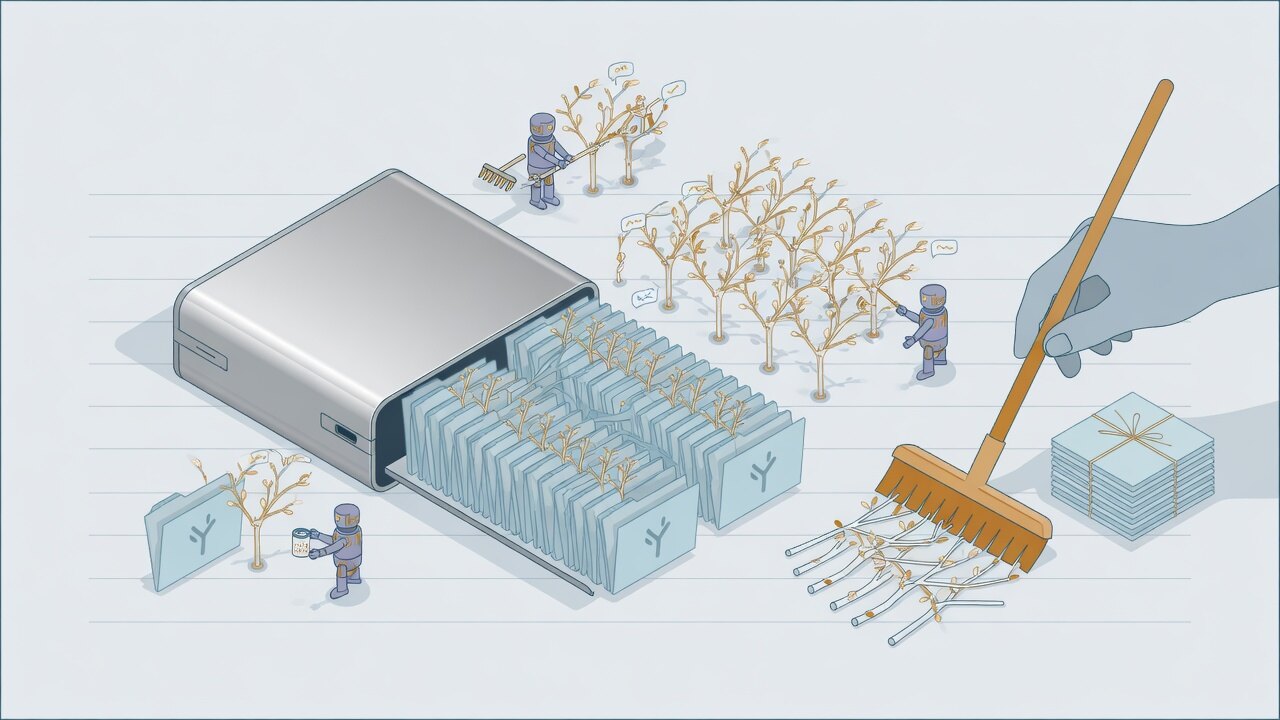
Engineering·Aug 13, 2026 We Open-Sourced a Skill So Code Agents Don't Eat Your Drive with Worktrees We open-sourced another agentloop skill: git-hygiene. More parallel agents means more local branches and worktrees; a 1TB drive fills faster than you'd guess. The skill proves a delete is safe before it runs it.
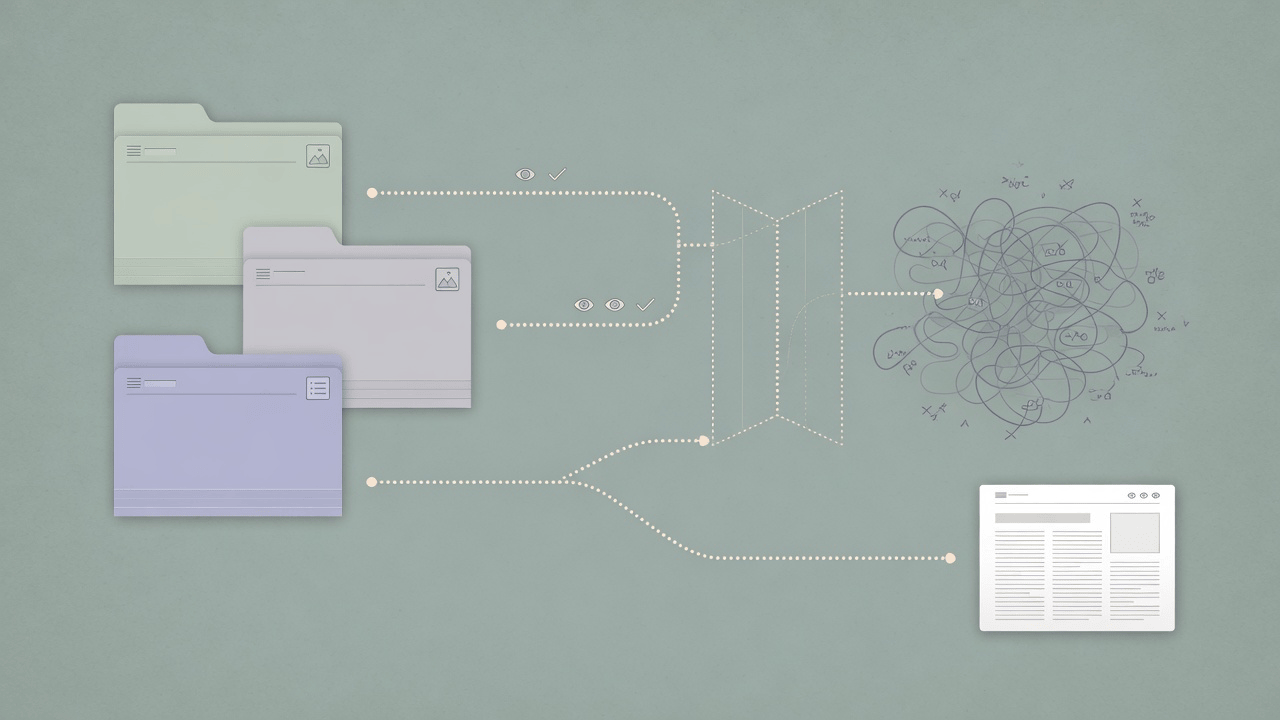
Explainer·Aug 11, 2026 One Folder of Photos, Several Ways to Look Folder-backed media gallery keeps a set of images next to the article and lets you choose grid, mosaic, stage, story, and more—without a second asset system.
Opinion·Aug 10, 2026 The Infrastructure Came First. The Residents Are Arriving. Not a pivot from blockchain to AI. The harder claim is simpler: roads and utilities can be built early, but a digital city only comes alive when residents who can work around the clock walk in.
Opinion·Aug 10, 2026 Builders Change. Your Property Stays. Most people will not manage API keys. They will hire agents. The real question is not which model is smarter, but whose ground the worker stands on when the job is done.
Engineering·Aug 10, 2026 What `arc skill` Is Today (and What It Is Not) arc skill ships a small catalog of built-in how-to booklets and can drop them into your agent skill folders. That is useful—and incomplete next to gh skill or AFS’s own .skills trees. Here is the plain map, a short how-to, and the open design gap.
Opinion·Aug 9, 2026 Agents don't need a better sandbox. They need a computer of their own. Many companies are building compute for agents: sandboxes, VMs, even digital workers. They answer where untrusted code should run. What agents still lack is a machine that can last: identity, state, constrained authority, verifiable history, and the right to leave. We call that machine ARC.
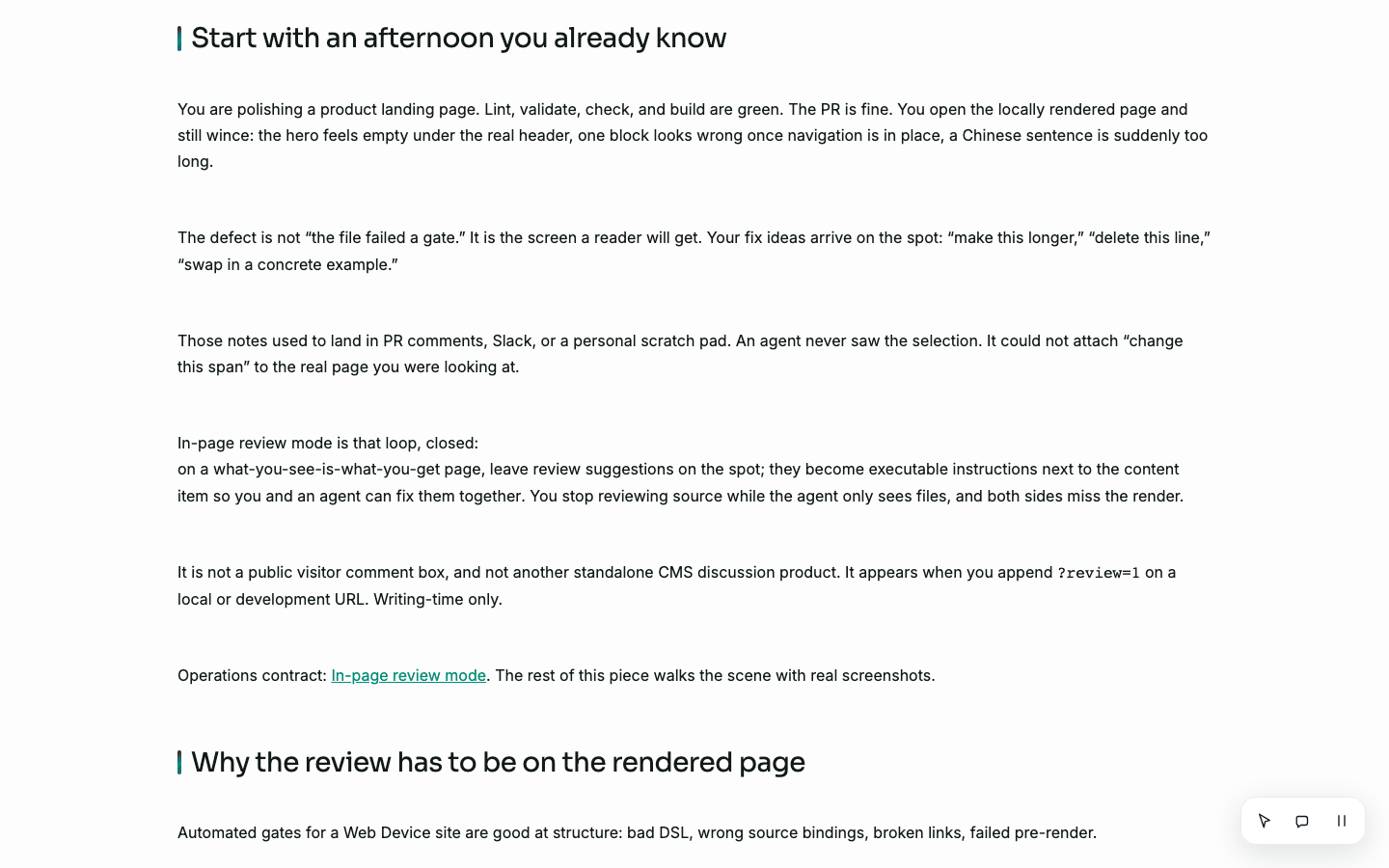
Explainer·Aug 9, 2026 Review Mode on Web Device: What You See Is What You Review Open the page readers actually see, mark what is wrong, and leave an executable note next to the content. That is still Web Device in-page review. The overlay is quieter now: a glass island, a composer on the target, optional pointing and freeze.
Explainer·Aug 9, 2026 When a writing agent should leave the page without a figure Writing agents on this site plan figures at outline time, then run kind-specific skills. Zero figures is valid. When a figure earns its place, the pipeline leaves a structured source, a rendition, and a text fallback.
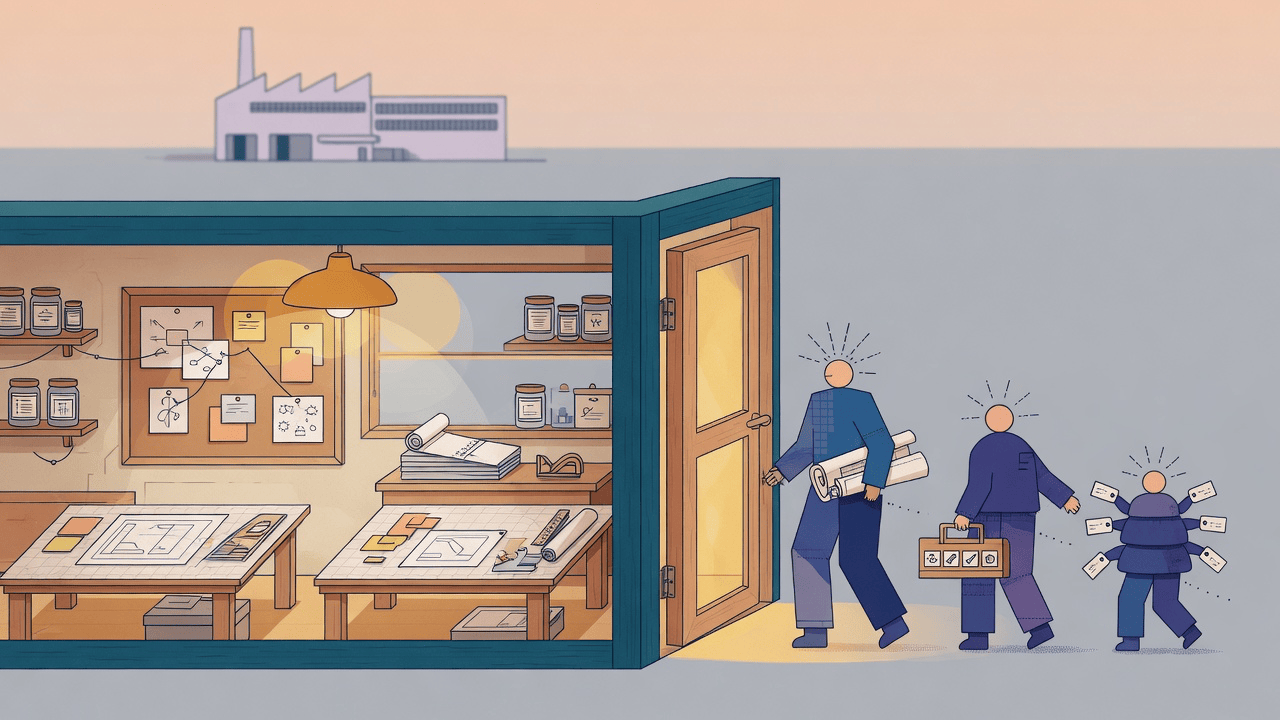
Opinion·Aug 8, 2026 Don't Take Your Project to an Agent Factory. Invite Agents Into Your Own Realm. The important question is not whether an AI model runs locally. It is whether a project remains a place where its people can see, govern, and recover its context, authority, evidence, and change.
Opinion·Aug 7, 2026 CLARITY Is Not About "Legalizing Tokens"—Here's Why the Industry Still Needs It CLARITY is not a pass for anything labeled a token. It is an attempt to distinguish a real right, a resource claim, and market activity from a label. The bill is still pending, and that distinction still has to prove itself.
Explainer·Aug 7, 2026 Create Slide Decks That Live Inside Articles and Docs Markdown Slides lets one Markdown record become an interactive deck inside an article or document while keeping the complete page readable.
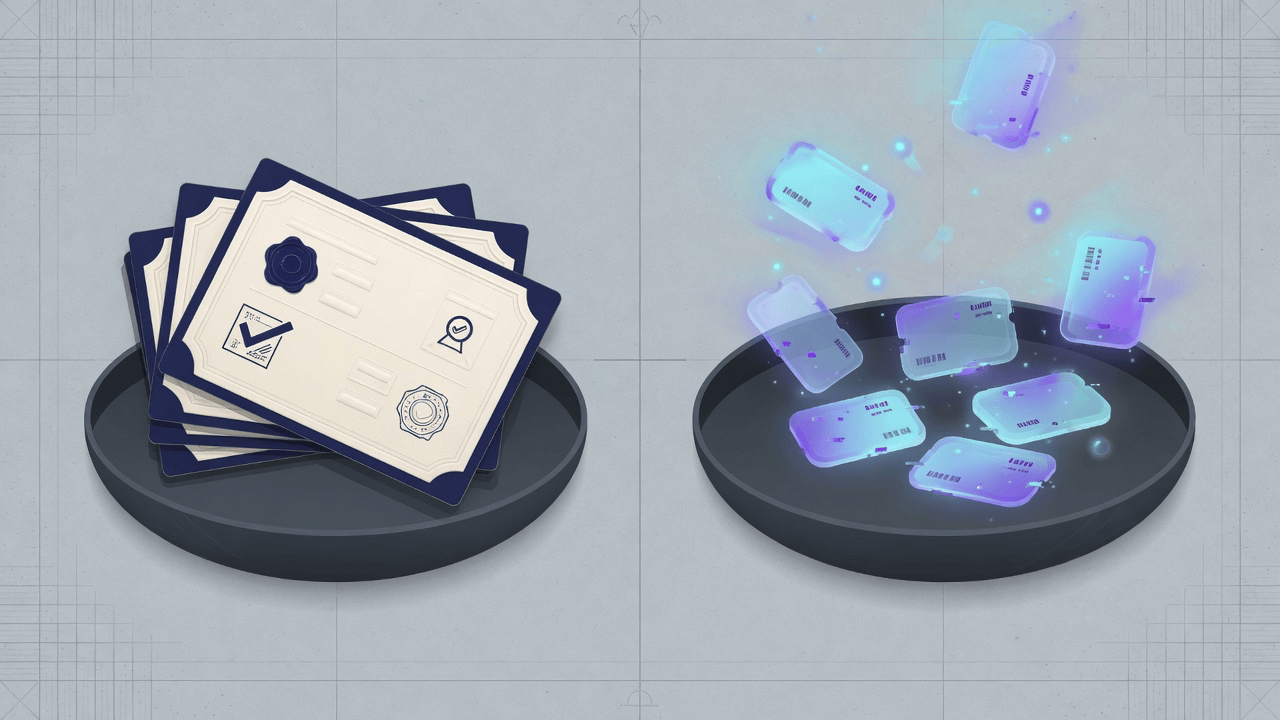
Opinion·Aug 7, 2026 A Useful Token Must First Stand for Something of Real Value AI services already use credits to meter storage, compute, and API calls. As Agents begin to act across systems, the important work is not giving those units a fashionable name. It is making the rights, authority, and usage they represent possible to verify and reconcile.
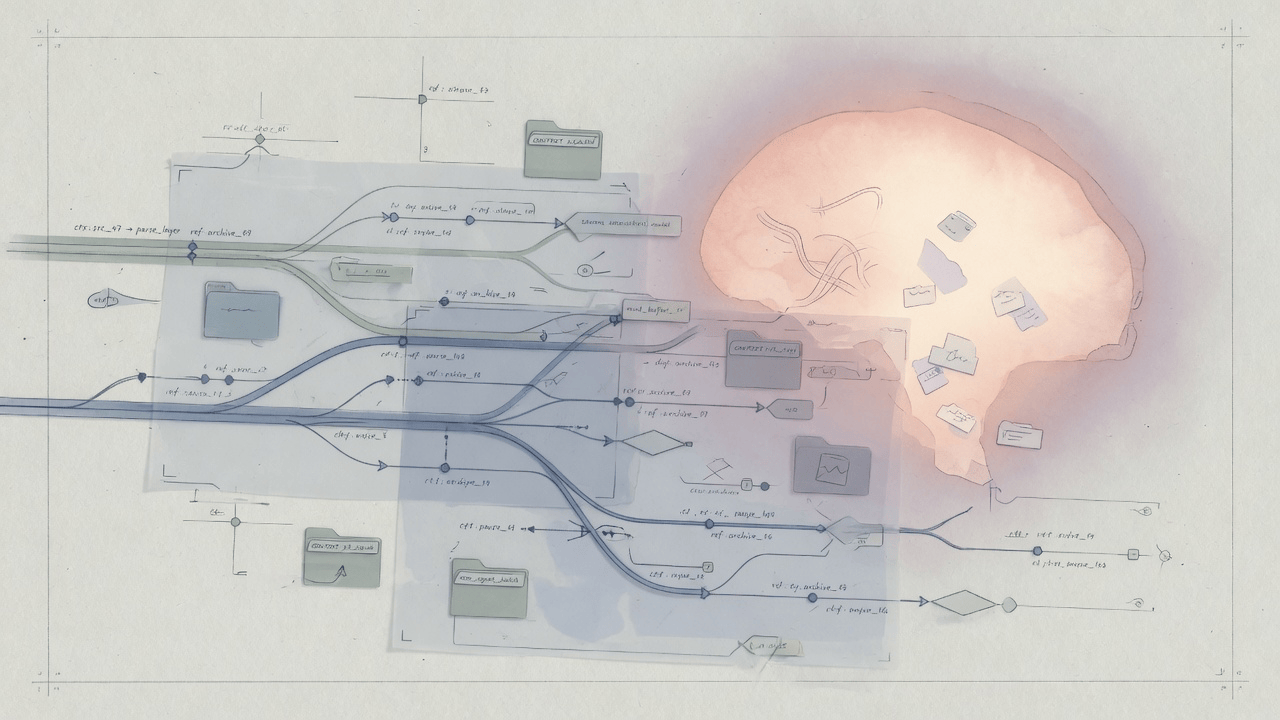
Opinion·Aug 3, 2026 Context Is Not Cognition The AFS paper asks how context can become a systems problem worth engineering. It does not claim that cognition has been solved.
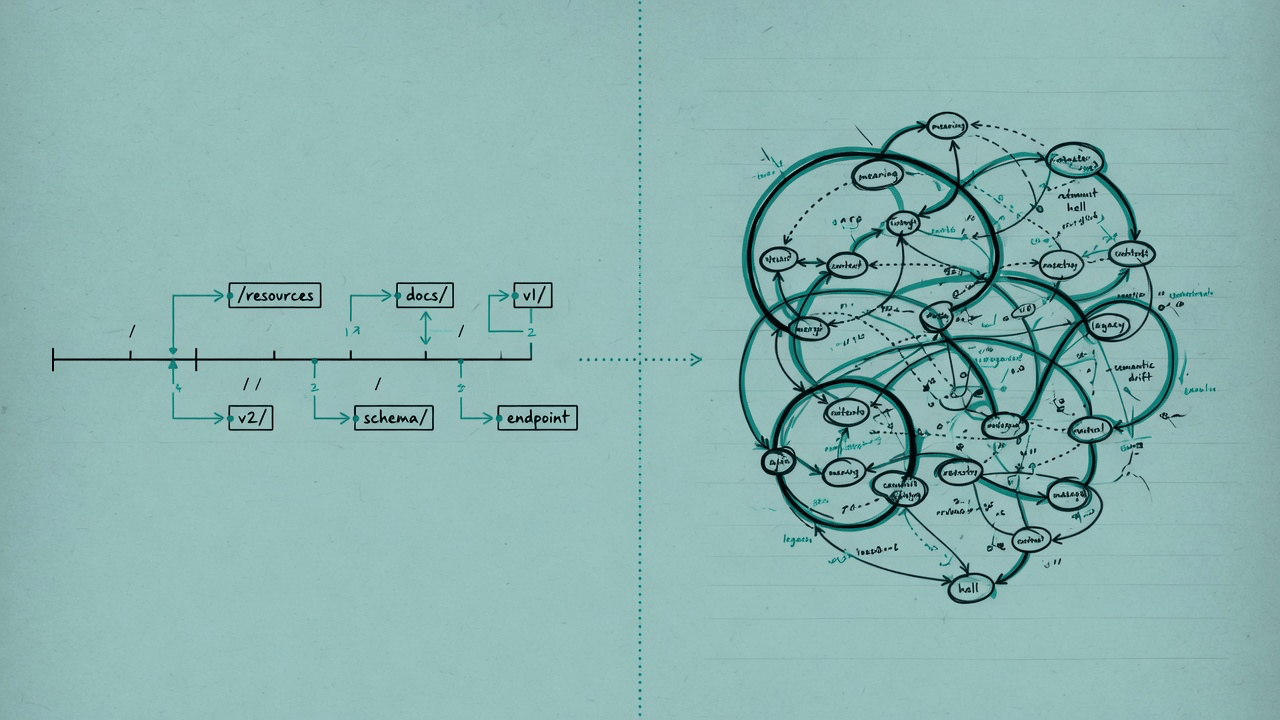
Opinion·Aug 3, 2026 AFS Is Not Git, and It Does Not Put Meaning in a Tree A file path can place an operation in a declared resource view. It is neither a semantic relationship nor a way to reduce AFS to Git.
Engineering·Aug 3, 2026 The Web Content System on ARC: Not Understanding Your Content Is What Makes It Simple WordPress and Astro both ask a site to declare its content model. That is not a flaw; it is a different trade-off. ARC's Web Device tries to make common web work a runtime, while leaving the meanings of products, terms, and events to object data and application components. This is about where that boundary belongs, and what still has to be supplied to make it hold.
Opinion·Aug 3, 2026 Context Is More Than Inventory A paper about context ultimately faces relevance, change, and governance, not capacity alone.
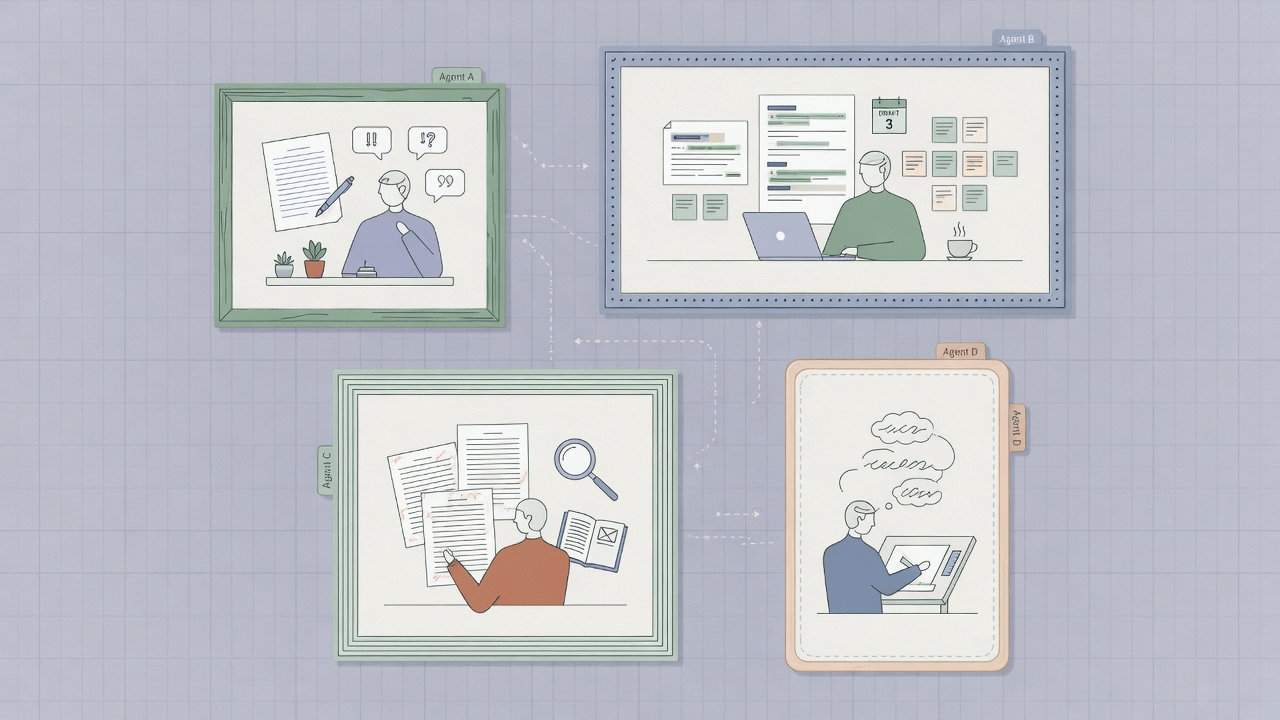
Opinion·Aug 3, 2026 When Multiple Agents Write, Start by Separating Their Worlds The hard part of multi-agent work is not putting every agent in one directory. It is making clear what each one may write, what happened, and who reconciles the result.
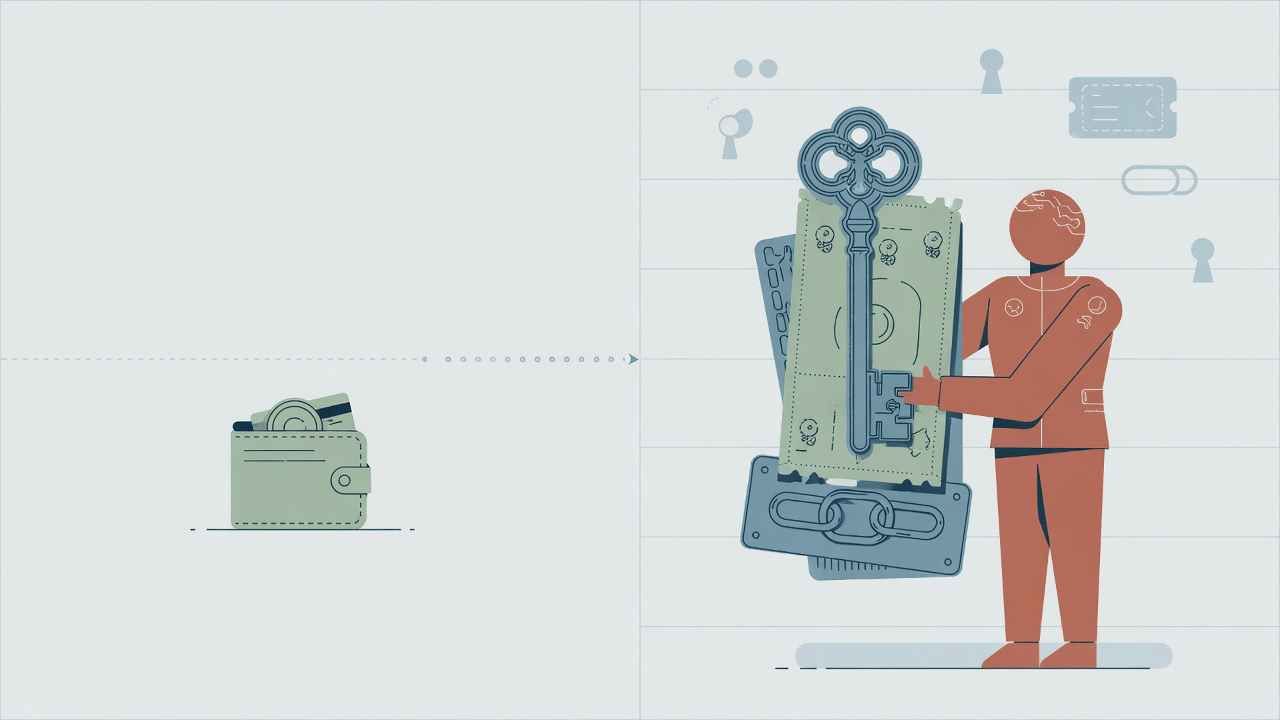
Opinion·Aug 2, 2026 AI Agents Need More Than a Wallet Payment is the most visible connection between AI Agents and blockchains, but the more fundamental questions are: who is the Agent, who authorized it, what can it do, and how do we reconcile what happened when something goes wrong?